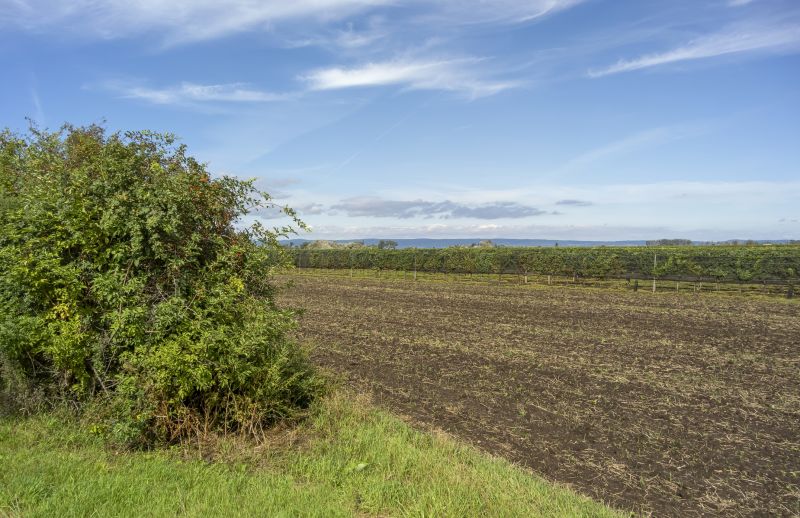
Field Clearing in Houston, TX
Field clearing services involve removing unwanted vegetation, brush, trees, and debris from a property to prepare the land for various projects. This service is often utilized for residential property improvements such as landscaping, gardening, or installing new structures, as well as for larger projects like creating open spaces, building sites, or firebreaks. Homeowners typically seek field clearing to enhance their property's safety, accessibility, and aesthetic appeal, especially when overgrown areas hinder daily use or future development plans.
Before requesting field clearing, property owners should consider the extent of vegetation to be removed, the presence of mature trees, and any local regulations or permits that might apply. Understanding the scope of work, including whether trees or stumps need to be cut down or removed, can help ensure the project meets expectations. Clarifying these details in advance can facilitate a smooth process and help determine the best approach for clearing the land efficiently and safely.
Many property owners in Houston, TX look into Field Clearing for repairs, replacements, upgrades, and appearance-related improvements.
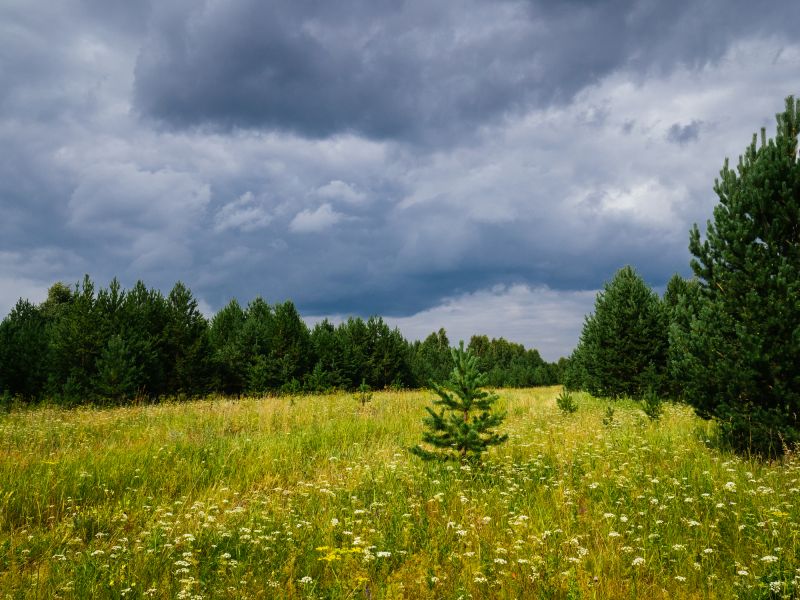
Site Preparation
Clearing overgrown land to prepare for construction or landscaping projects.
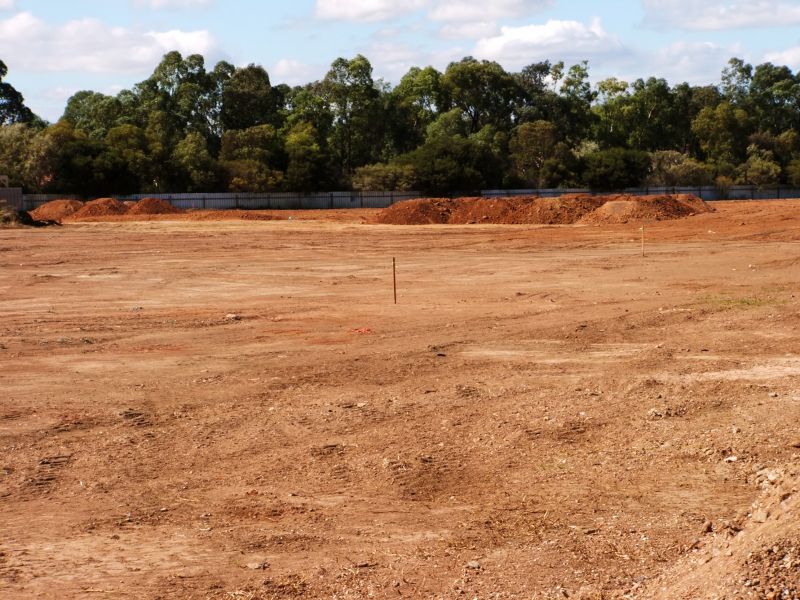
Brush And Debris Removal
Removing brush, fallen trees, and debris to improve safety and accessibility.
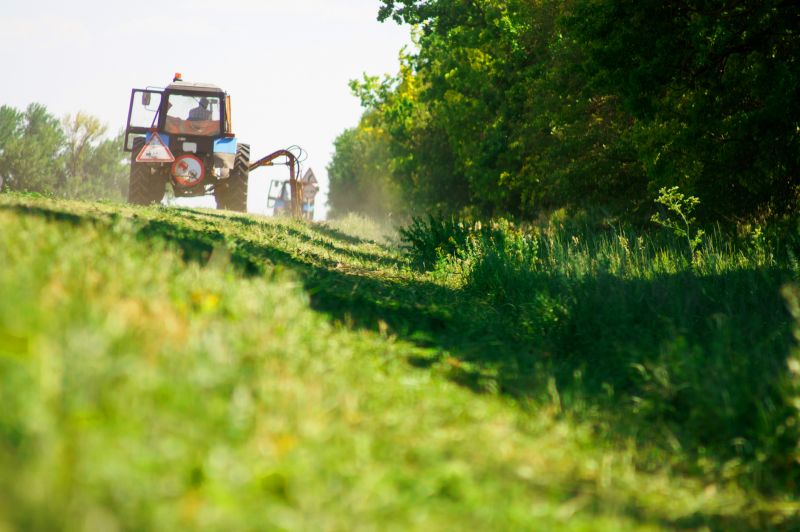
Land Clearing For Development
Preparing large properties for new developments or farming in houston, tx area.
Field Clearing in Houston, TX
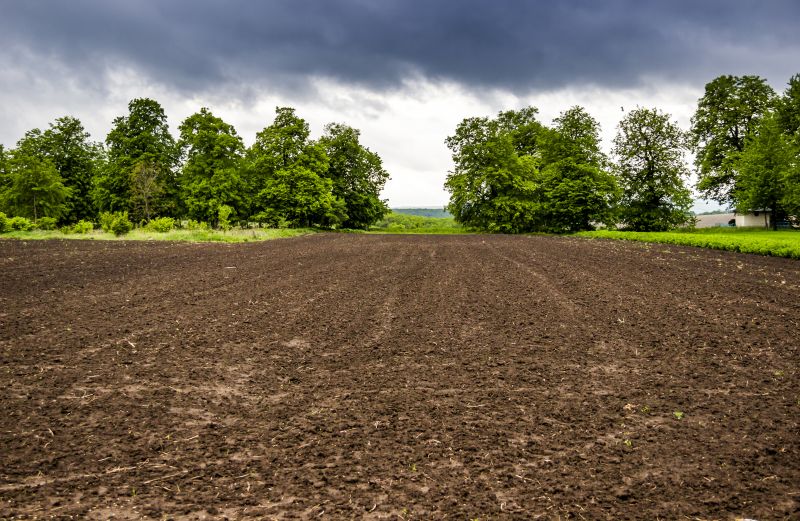
Field clearing services involve removing unwanted vegetation, brush, trees, and debris from a property to prepare the land for various projects. This service is often utilized for residential property improvements such as landscaping, gardening, or installing new structures, as well as for larger projects like creating open spaces, building sites, or firebreaks. Homeowners typically seek field clearing to enhance their property's safety, accessibility, and aesthetic appeal, especially when overgrown areas hinder daily use or future development plans.
Before requesting field clearing, property owners should consider the extent of vegetation to be removed, the presence of mature trees, and any local regulations or permits that might apply. Understanding the scope of work, including whether trees or stumps need to be cut down or removed, can help ensure the project meets expectations. Clarifying these details in advance can facilitate a smooth process and help determine the best approach for clearing the land efficiently and safely.
Many property owners in Houston, TX look into Field Clearing for repairs, replacements, upgrades, and appearance-related improvements.
Common Field Clearing Jobs
Brush and shrub clearing - removing overgrown vegetation to improve yard appearance and access.
Tree removal services - safely cutting down hazardous or unwanted trees on the property.
Stump grinding - eliminating tree stumps to prevent tripping hazards and prepare for new landscaping.
Debris removal - clearing fallen branches, leaves, and other debris from the land.
Field leveling - smoothing uneven ground to create a stable and functional outdoor space.
Vegetation control - managing invasive plants and weeds to maintain a healthy landscape.
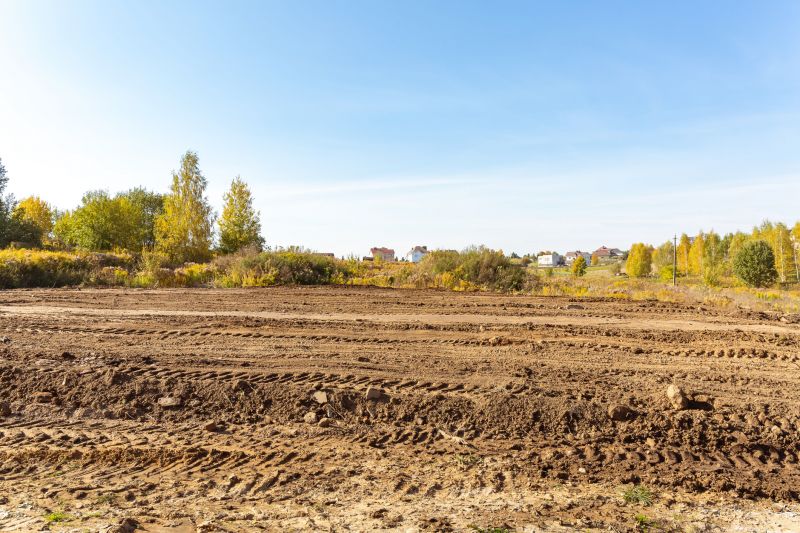
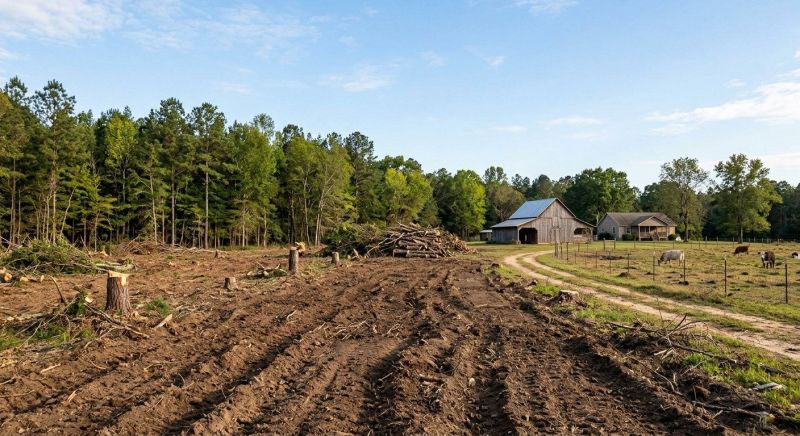
Field Clearing Questions
What is field clearing? Field clearing involves removing trees, brush, and debris to prepare land for development, farming, or landscaping projects.
When is field clearing typically needed? It is often requested before construction, site expansion, or to improve property accessibility and safety.
What types of projects benefit from field clearing? Projects such as building new structures, creating open spaces, or maintaining land for agriculture commonly require field clearing services.
What should property owners consider before clearing a field? It’s important to evaluate the scope of work, potential permits, and environmental considerations related to land clearing.
Request Field Clearing in Houston, TX
Use the quote form on this page to share the basics of your project and request more information for the type of work you need.